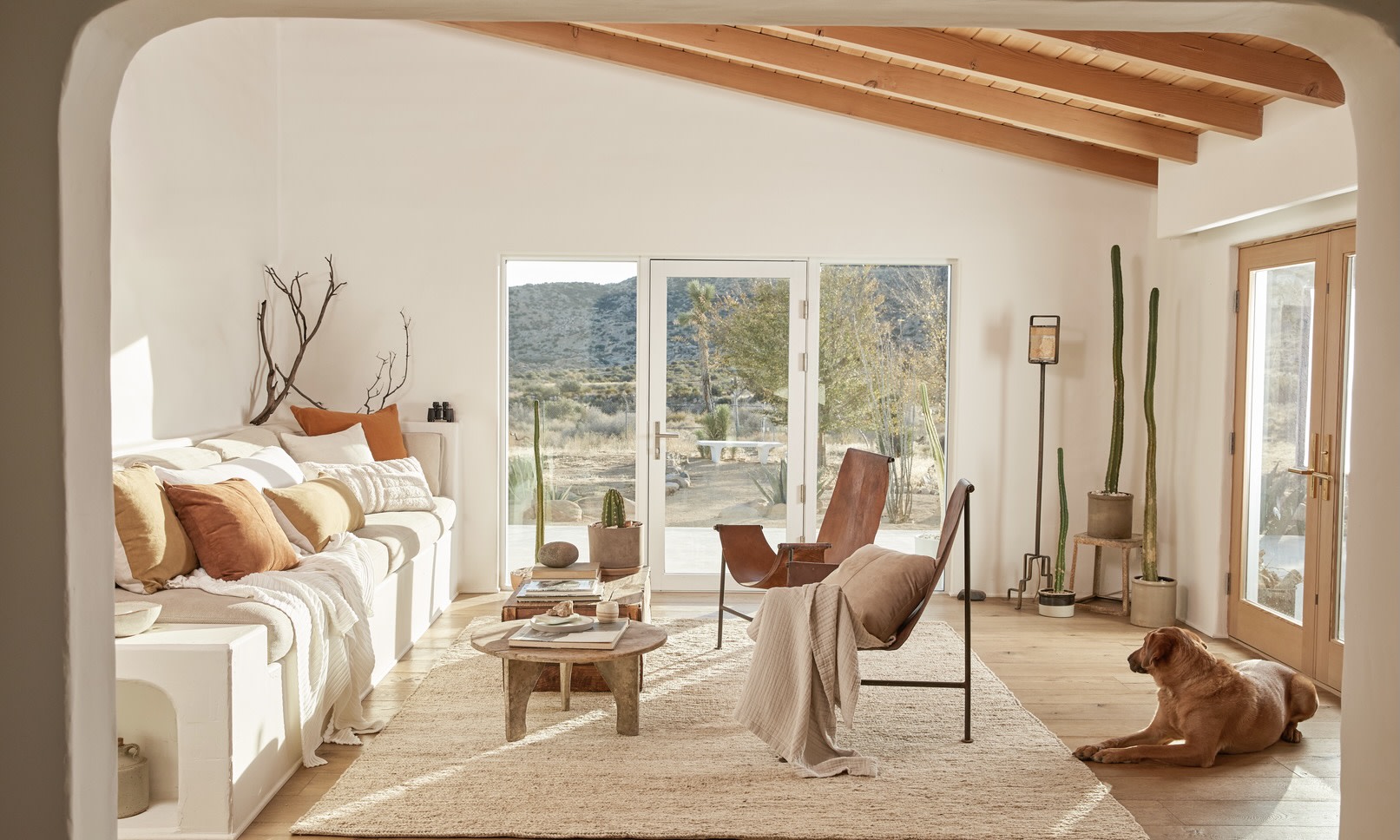
Opening the Door to Tranquility
The concept of Feng Shui transcends beyond mere interior decorating; it's a philosophy that believes in harmonizing individuals with their surrounding environment. Unleashing harmony through Feng Shui home design is about creating a space where positive energy, or "qi," flows freely, bringing balance and tranquility. In this article, we delve into the depths of this ancient Chinese art, exploring its principles and practical applications for modern living.
Understanding the Essence of Feng Shui
Feng Shui, which translates to "wind-water" in English, is an ancient Chinese practice that dates back thousands of years. Its core principles revolve around the belief that the arrangement of objects within a space can affect the flow of energy, influencing one's health, wealth, and overall well-being. By understanding the essence of Feng Shui, individuals can unlock the potential of their living spaces, transforming them into havens of positivity.
The Five Elements: A Balancing Act
Central to Feng Shui is the concept of the five elements—Wood, Fire, Earth, Metal, and Water. Each element represents specific energies and qualities. Integrating these elements thoughtfully into your home design can create a harmonious balance. For instance, a living room with wooden furniture, fiery red accents, earthy tones, metallic finishes, and a touch of flowing water can embody the balanced energy of all five elements.
Feng Shui Bagua: Mapping Energy Zones
To further enhance the energy flow, Feng Shui employs the Bagua map—a tool used to divide a space into nine energy zones, each corresponding to a specific area of life. From wealth and fame to love and career, understanding the Bagua map allows homeowners to pinpoint areas in need of attention. By aligning furniture and decor according to the Bagua, you invite positive energy into every aspect of your life.
Harmony in the Bedroom
The Power of Positioning
In the realm of Feng Shui, the bedroom holds significant importance as it is where we recharge our bodies and minds. The bed's placement is crucial, with experts recommending positioning it so that it has a clear view of the bedroom door without being directly in line with it. This setup fosters a sense of security and allows for a peaceful night's sleep, unleashing harmony in one of the most intimate spaces of the home.
Calming Colors and Textures
Creating a harmonious bedroom extends beyond furniture placement. Consider the use of calming colors such as soft blues, greens, or muted earth tones to promote relaxation. Incorporating natural materials like wood and textiles enhances the room's tactile comfort. A balanced blend of colors and textures contributes to a serene atmosphere, aligning with the principles of Feng Shui.
Minimalism: Less is More
Embracing a minimalist approach in the bedroom aligns with Feng Shui principles. Clutter disrupts the flow of energy, leading to restlessness and stress. Opt for streamlined furniture and storage solutions, keeping only what is essential. This not only promotes a visually appealing space but also allows energy to circulate freely, contributing to a peaceful and harmonious bedroom environment.
Lighting for Balance
Incorporating proper lighting is another key element in Feng Shui bedroom design. Soft, diffused lighting creates a warm and inviting atmosphere, conducive to relaxation. Consider using dimmer switches to adjust the intensity of light, allowing for a customizable ambiance. By paying attention to lighting, you can further enhance the harmony within the bedroom, promoting both restful sleep and positive energy.
Bringing Nature Indoors
Bringing elements of nature into the bedroom aligns with the Earth element in Feng Shui. Consider incorporating potted plants, natural fibers, or artwork depicting serene landscapes. Not only do these elements contribute to a visually appealing space, but they also connect the bedroom to the natural world, fostering a sense of tranquility and balance.
Energizing the Living Room
The Heart of the Home
As the central hub of activity, the living room plays a pivotal role in the overall harmony of a home. Feng Shui principles emphasize creating a welcoming and balanced space that encourages social interaction and relaxation. Achieving this balance involves careful consideration of furniture arrangement, color schemes, and the incorporation of elements that resonate with positive energy.
Furniture Arrangement for Flow
The arrangement of furniture in the living room directly impacts the flow of energy. Position sofas and chairs in a way that promotes easy conversation and connection. Avoid placing furniture with its back to the entrance, as this disrupts the flow of qi. By fostering an open and inviting layout, you enhance the positive energy circulating within the living room.
Colors that Uplift
Selecting the right color palette for the living room is instrumental in creating a harmonious atmosphere. Light, neutral tones promote a sense of openness and tranquility, while pops of vibrant colors can inject energy into the space. Balance is key, and integrating the five elements through color choices ensures a well-rounded and positive energy flow throughout the living room.
Artwork and Decor with Purpose
Incorporating artwork and decor that align with your intentions is a powerful aspect of Feng Shui design. Choose pieces that evoke positive emotions and resonate with the energy you want to cultivate in the living room. Whether it's serene landscapes, meaningful symbols, or artwork that reflects the five elements, each piece contributes to the overall harmony of the space.
Inviting Nature Inside
Connecting the living room to the outdoors is a hallmark of Feng Shui. If possible, position furniture to take advantage of natural light and views. Introduce elements of nature through indoor plants, creating a seamless transition between the interior and exterior. The presence of nature within the living room enhances the flow of positive energy, contributing to a vibrant and harmonious environment.
The Power of Symmetry
Symmetry is a fundamental principle in Feng Shui, promoting balance and harmony. Arrange furniture and decor in symmetrical patterns to create a sense of order and stability. Whether it's a pair of matching chairs or symmetrical wall art, this design approach fosters a visually pleasing and energetically balanced living room.
Nourishing the Heart of the Home - The Kitchen
Culinary Harmony
In Feng Shui, the kitchen is considered the heart of the home, representing nourishment and prosperity. The design and organization of this space can influence the abundance of positive energy in the household. From the placement of appliances to the choice of colors, every detail contributes to creating a harmonious and inviting kitchen.
The Importance of Cleanliness
Maintaining a clean and organized kitchen is paramount in Feng Shui. Clutter and dirt impede the flow of positive energy, affecting the overall harmony of the space. Implementing efficient storage solutions and regularly decluttering countertops contribute to a visually appealing and energetically balanced kitchen.
The Magic of Colors
Color choices in the kitchen can have a profound impact on the energy it exudes
. Warm, inviting colors such as earthy tones and soft yellows create a cozy atmosphere. Incorporating the Fire element through accents like red or orange can enhance the energy associated with nourishment and culinary creativity. Striking a balance between warm and neutral tones ensures a harmonious kitchen environment.
Placing the Stove with Intention
In Feng Shui, the stove holds symbolic significance as a representation of wealth and abundance. Positioning the stove in a way that allows the cook to see the entrance to the kitchen fosters a sense of control and security. Mirrors can also be strategically placed to expand the view, symbolizing the multiplication of prosperity and positive energy.
Enhancing the Flow with Water
Integrating the Water element in the kitchen promotes a smooth and flowing energy. Consider incorporating water features or representations, such as a small fountain or artwork depicting water scenes. This not only enhances the visual appeal of the kitchen but also contributes to the overall balance and harmony of the space.
Family Dining: A Unifying Ritual
The dining area within the kitchen is where family members come together to share meals and connect. Feng Shui encourages creating a harmonious dining space by selecting comfortable seating, using soft lighting, and incorporating elements that symbolize unity and abundance. Cultivating a positive and nourishing environment in the kitchen enhances the overall well-being of the household.
Elevating Workspaces with Feng Shui
The Office Oasis
As more individuals embrace remote work, the importance of a harmonious home office becomes increasingly evident. Applying Feng Shui principles to the workspace can boost productivity, creativity, and overall job satisfaction. From furniture placement to color choices, creating an office oasis involves intentional design to align with the flow of positive energy.
Command Position for Focus
In Feng Shui, the command position refers to the placement of the desk to allow a clear view of the room's entrance. This setup fosters a sense of control and security, promoting focus and productivity. Avoid placing the desk in direct alignment with the door to prevent the direct flow of energy, allowing for a balanced and harmonious work environment.
Colors for Concentration
Selecting the right colors in a home office is crucial for concentration and creativity. Cool, calming colors like blues and greens enhance focus, while warm tones like yellows and oranges stimulate creativity. Balancing these colors according to personal preference and the nature of the work contributes to a harmonious and energizing workspace.
Natural Light and Ventilation
Integrating natural light and proper ventilation into the home office design aligns with Feng Shui principles. Adequate lighting reduces eye strain and promotes a positive atmosphere. If possible, position the desk near a window to take advantage of natural light, fostering a connection with the outdoors and enhancing the overall harmony of the workspace.
Decluttering for Productivity
Clutter is the enemy of productivity, and this holds true in the home office. Adopting a minimalist approach by decluttering unnecessary items creates a clean and organized workspace. Use storage solutions to keep essential items within reach without sacrificing the open flow of energy. A clutter-free environment enhances focus and contributes to a harmonious work atmosphere.
Personal Touches for Inspiration
Incorporating personal touches into the home office adds a layer of inspiration and positivity. Whether it's meaningful artwork, plants, or motivational quotes, these elements contribute to a workspace that resonates with positive energy. By infusing personal touches, you create an office environment that nurtures creativity and overall well-being.
Harmonizing Outdoor Spaces
Extending Feng Shui Beyond Walls
While much emphasis is placed on the interior, the principles of Feng Shui extend to outdoor spaces. Harmonizing your garden or outdoor area with Feng Shui principles creates a seamless flow of positive energy, connecting the indoor and outdoor environments. From landscaping to the choice of outdoor furniture, every detail contributes to the overall harmony of the space.
Landscaping for Balance
Landscaping plays a pivotal role in creating an outdoor space aligned with Feng Shui. Ensure a balance of the five elements by incorporating a variety of plants, rocks, water features, and outdoor furniture. Avoid overly sharp or angular designs, opting for flowing lines and curves to promote a harmonious and relaxing outdoor environment.
Outdoor Furniture Arrangement
Just as furniture placement matters indoors, it is equally significant in outdoor spaces. Arrange outdoor furniture to encourage conversation and connection. Position seating to take advantage of natural focal points, such as a garden or water feature. By creating inviting outdoor spaces, you extend the positive energy of Feng Shui beyond the confines of your home.
Water Features for Serenity
The presence of water in outdoor spaces enhances the flow of positive energy. Consider incorporating a fountain, pond, or birdbath to introduce the Water element. The gentle sound of flowing water creates a serene atmosphere, promoting relaxation and balance. Water features become focal points that contribute to the overall harmony of the outdoor environment.
Lighting the Way
Outdoor lighting is a crucial element in extending the hours of enjoyment in your outdoor space. Use soft, warm lighting to create a welcoming ambiance. Consider incorporating solar-powered lights to align with sustainable and energy-efficient practices. Proper outdoor lighting not only enhances safety but also contributes to the positive energy flow in your outdoor sanctuary.
Mindful Gardening
Engaging in mindful gardening practices aligns with the principles of Feng Shui. Pay attention to the placement of plants, choosing varieties that thrive in specific areas of your garden. Create a balance of colors and textures, and consider the symbolism of plants in Feng Shui. Mindful gardening not only enhances the visual appeal but also contributes to the overall harmony of your outdoor space.
Conlusion
Incorporating the art of Feng Shui into your home design is a transformative journey towards creating a harmonious and balanced living space. From the bedroom to the kitchen, the living room to the home office, and even extending into outdoor areas, each facet of your home can benefit from the principles of Feng Shui. By understanding the flow of energy and embracing intentional design choices, you unlock the potential for a home that not only looks beautiful but resonates with positive energy and tranquility.
FAQs
- What are the key principles of Feng Shui in bedroom design?
- This question explores the fundamental principles of arranging furniture, selecting colors, and incorporating elements of nature to create a harmonious and tranquil bedroom environment according to Feng Shui.
- How can I apply Feng Shui principles to enhance the positive energy in my living room?
- This question delves into the specifics of furniture arrangement, color choices, and the incorporation of meaningful artwork to create a balanced and inviting living room that resonates with positive energy.
- What role does the kitchen play in Feng Shui, and how can I design it to promote abundance and prosperity?
- This question addresses the significance of the kitchen in Feng Shui, touching on cleanliness, color choices, stove positioning, and the incorporation of the Water element to foster a harmonious and prosperous culinary space.
- How can I implement Feng Shui principles in my home office for increased productivity and creativity?
- This question explores the application of Feng Shui in a home office setting, covering the command position, color choices, the importance of natural light, and the role of personal touches to create a workspace that aligns with positive energy.
- Are there specific Feng Shui considerations for harmonizing outdoor spaces, and how can I apply them to my garden or outdoor area?
- This question focuses on extending Feng Shui principles beyond the confines of the home, addressing landscaping, outdoor furniture arrangement, the incorporation of water features, and mindful gardening practices to create a harmonious outdoor sanctuary.